
Symphony of the Cells
Truman Global LLCMedical
1.314.00 Reviews
- Version
- 3.1.4
- Installs
- 10.00K
- Age Rating
- Everyone
Screenshots
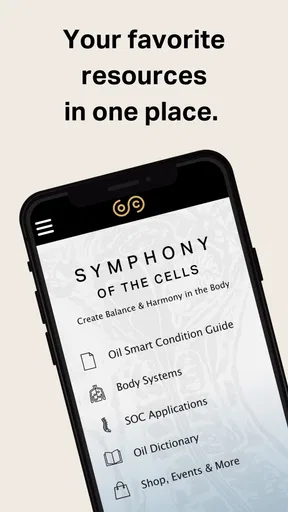


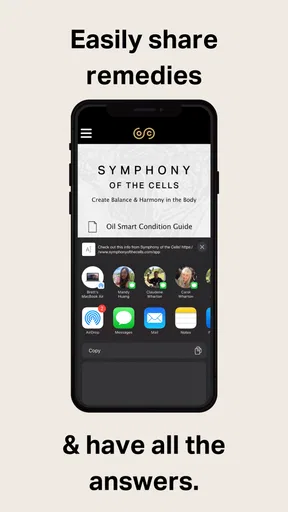
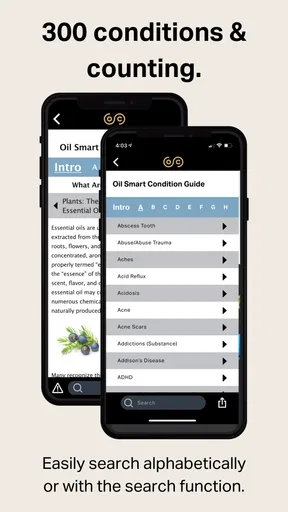
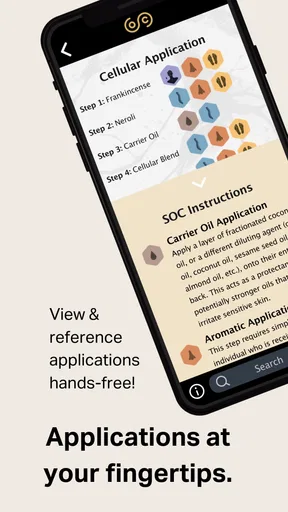
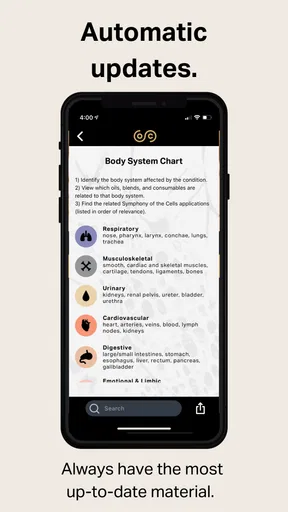
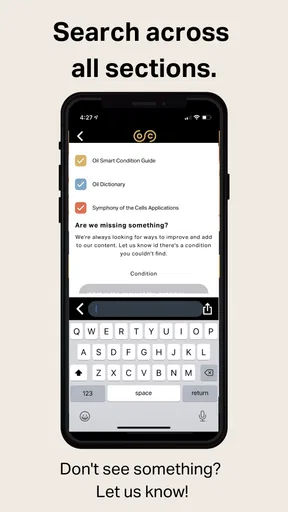
Our Review of Symphony of the Cells
 Analysis by Appyee
I approached Symphony of the Cells as a reference tool rather than a typical health app. Its purpose is to cross-reference remedies with favorite Symphony of the Cells applications, so the useful question is not whether it replaces medical care, but whether it helps someone organize a particular complementary wellness routine. That distinction matters immediately, especially when the app is used by more than one person in a household.
My first impression was that this is a niche medical app with a very specific audience. It is free to install, but individual in-app items are listed between $4.99 and $29.99, so I would not treat the free download as the complete experience until I had checked what content I actually needed. The app comes from Truman Global LLC and is available for devices running Android 7.0 or later. Its current version is 3.1.4.
How the app works in a shared household
The most realistic use case is a home where one person already follows Symphony of the Cells routines and another person occasionally wants to look up a remedy or application. In that setting, the app can act like a shared reference shelf. One family member may be checking a routine for personal use while another is asking what a particular remedy is associated with. Keeping those two activities separate is important because a reference entry can inform a conversation without automatically becoming a recommendation for everyone in the home.
I found the app more useful when I treated it as a starting point for organizing questions. Instead of opening it and immediately applying something, I would first identify the concern, check the relevant cross-reference, and then decide whether the information was appropriate for the person involved. That extra pause is especially valuable when the device is shared and the person holding it is not the person who will use the remedy.
A practical household routine would be to keep one agreed-upon note outside the app containing each person’s name, known sensitivities, current treatments, and questions for a qualified professional. The app can help locate related material, but it should not become the household’s only record. This is one of the less obvious trade-offs: a convenient shared reference can also encourage people to rely on memory, assumptions, or the last search performed by someone else.
For a solo user who already knows the Symphony of the Cells approach, the experience is more straightforward. The app can reduce the need to search through separate notes or remember which remedy is associated with a chosen application. For a household, however, the same convenience requires a little discipline. I would always say the person’s name aloud before acting on anything found through a shared phone, particularly if several people have similar symptoms.
What I would do before using it with someone else
I would begin by confirming that the app is being used for the right purpose. It is a cross-reference resource, not a diagnostic service, emergency tool, or substitute for a clinician. If someone has severe, sudden, or worsening symptoms, the correct response is to seek appropriate medical help rather than browse remedies. That is not a criticism unique to this app; it is simply the boundary that keeps a complementary reference from being mistaken for medical assessment.
Next, I would check whether the information is being interpreted in context. A remedy that appears in a cross-reference may be relevant to a routine, but that does not establish that it is suitable for a particular person. Pregnancy, allergies, medication use, chronic illness, and age can all change the safety conversation. The app does not remove the need for those checks.
My third step would be to identify who is responsible for the decision. On a shared device, it is easy for a teenager, partner, parent, or visitor to open an entry and assume that the person who installed the app has already approved it. I would avoid that assumption. The person using the remedy should know what is being considered, and a qualified professional should be involved when there is any meaningful health uncertainty.
Setup boundaries matter more than the download
The initial setup is not just a technical matter. Because the app is free to install while offering paid in-app items, I would review the available content before making a purchase. A household should decide whether one person is buying material for personal use or whether the purchase is intended to support shared reference. That conversation prevents a common source of friction: one person assumes the whole household has access, while another assumes the purchase was private.
I would also avoid storing sensitive personal details in places that other device users can casually see. Even if the app is only being used to look up remedies, search habits can reveal information about someone’s health. On a shared phone or tablet, a visible recent search may tell another person more than the user intended. The safest workflow is to keep the app’s reference activity separate from private health notes and to discuss personal concerns directly rather than leaving them exposed on a communal screen.
There is another useful boundary: do not confuse the app’s content with a complete treatment history. If a household member has already tried something, experienced a reaction, or stopped a prescribed medicine, that context belongs in a proper health record and in a conversation with a clinician. A cross-reference tool is not designed to replace that continuity.
I would also confirm the device requirement before planning a shared setup. The minimum operating system is Android 7.0, which means older devices may not be suitable. That is a small detail, but it matters in homes where an unused phone or tablet is being repurposed as a communal wellness device. Checking compatibility first avoids building a routine around hardware that cannot run the current app.
Coordinating routines without creating confusion
The app’s central strength is its relationship between remedies and Symphony of the Cells applications. I found that relationship most useful when I worked from a specific routine and then used the cross-reference to explore associated options, rather than browsing without a clear question. This direction of travel keeps the app focused and reduces the temptation to treat every listed connection as equally relevant.
A simple coordination method is to have one person read the entry while another verifies the intended application from the household’s existing materials. That two-person check is worthwhile when the device is shared or when the user is new to the system. It catches mix-ups between a remedy name, an application name, and the person for whom the information was gathered.
I would not create a single household “default” routine. Different people can have different needs, and a routine that one adult has chosen for personal use should not automatically be applied to a child, an older relative, or a guest. The app’s cross-referencing function can support individual questions, but it does not turn a household into one patient with one profile.
Another practical tip is to record the date and reason for a decision outside the app. This makes it easier to notice whether a routine was selected for a short-term concern, a recurring issue, or simple curiosity. It also prevents the next user from assuming that an old search is still relevant. In my view, this is one of the best ways to use a narrow reference app responsibly: let it supply information, while a separate note supplies context.
Coordination also includes purchase decisions. Since paid items can range from $4.99 to $29.99 each, I would avoid buying several items at once just because their titles seem related. Start with the material that answers the immediate question, assess whether it fits the intended workflow, and only then consider expanding access. This is a better approach than allowing a shared account or shared device to accumulate content that nobody has clearly agreed to use.
Age, trust, and the limits of a general audience label
The app carries an Everyone content rating, but I would not interpret that as medical approval for every age group or every situation. A general content rating describes the nature of the app’s presentation; it does not replace adult judgment about health decisions. In a family setting, younger users may be able to open the app, yet still need an adult to explain what a cross-reference means and what it does not mean.
This is especially important because children can read a confident-looking remedy reference as an instruction. I would not leave a child to decide whether a remedy is suitable, how it should be used, or whether professional care can be skipped. The same caution applies to older adults who may be managing several medicines or conditions. Accessibility of the interface and suitability of the advice are separate questions.
Trust should work both ways. An adult using a shared device deserves privacy around searches, while other household members deserve clarity before anything is applied to them. I would ask permission, explain the purpose, and confirm that the person understands the plan. That may sound obvious, but shared-device habits often blur ownership: the person who paid for an app may start acting as though they can decide for everyone else.
I also would not assume that the app provides family profiles, parental controls, or separate account boundaries. I would plan the household workflow around the features I can actually use, not around controls I wish were present. If strict separation between users is essential, a personal device or a more conventional health-record solution may be a better fit.
Where it differs from ordinary medical apps
Compared with symptom checkers, medication trackers, appointment apps, or evidence-focused medical references, this app serves a narrower purpose. It is not trying to organize prescriptions, measure symptoms, book care, or replace a clinician’s assessment. Its value comes from connecting remedies with Symphony of the Cells applications, which makes it more relevant to people already familiar with that specific framework than to someone looking for broad medical guidance.
That narrow focus is both its advantage and its limitation. A general medical reference is usually the better choice when I need information about a diagnosis, drug interaction, urgent symptom, or standard treatment pathway. A medication-management app is better when reminders, dose records, and adherence history are the priority. Symphony of the Cells is better only when the immediate task is navigating its particular remedy-and-application relationships.
I would also be cautious about using it as a discovery engine. Cross-references can make a system feel more complete than it really is, especially when several entries appear connected. The presence of a relationship inside the app does not tell me how strong the evidence is, whether it applies to my circumstances, or whether it should take priority over professional advice. That interpretive work remains outside the app.
The low public reception is another factor I would weigh before inviting a whole household to depend on it. The app has an average rating of 1.3 from around 70 ratings, with around 14 written reviews, and it has passed 10K+ installs. Those figures do not explain every user’s experience, but they do tell me to approach it carefully rather than assume a polished, universally satisfying tool. I would test the basic workflow first and avoid making it central to an important health routine until I was comfortable with it.
Who will get the most from it
I can see a clear audience for this app: someone who already uses Symphony of the Cells materials, understands the vocabulary, and wants a focused way to cross-reference remedies with familiar applications. For that person, the narrow scope may be exactly what makes it useful. It can serve as a compact companion during planning, especially when the alternative is searching through scattered personal notes.
It may also suit a small household where one informed adult coordinates complementary wellness practices and everyone understands that the app is a reference rather than a medical authority. In that environment, the main benefit is organization. The app helps turn a vague search into a more structured conversation about which application and remedy are being considered.
I would recommend skipping it if the goal is a broad health-management system. Someone wanting symptom tracking, medication reminders, clinician communication, test-result storage, or emergency guidance will likely be disappointed. The same is true for a newcomer who expects the app to teach the entire approach from the ground up. Its cross-reference purpose makes more sense when the user already has a framework and needs help navigating it.
I would also skip relying on it for another person without their involvement. A shared device does not make a shared medical decision. If the household cannot agree on privacy, responsibility, and professional oversight, the app is likely to create more confusion than convenience.
My household verdict
After looking at it through a shared-use lens, I see Symphony of the Cells as a specialized reference companion with a limited but understandable role. I like the idea of bringing remedies and familiar applications together, and I think experienced users can save time when checking a specific relationship. The most responsible workflow is deliberate: identify the person, define the question, consult the cross-reference, and verify the decision through appropriate health advice.
The free installation makes it easy to try, but the paid in-app items mean I would inspect the available material before treating it as a complete household resource. I would also keep purchases, searches, and personal health notes organized so that one user’s activity is not mistaken for another user’s plan.
My final recommendation is cautious rather than enthusiastic. If you already understand the Symphony of the Cells approach and want a focused cross-reference tool, it may be worth exploring on a compatible device. If you need mainstream medical guidance, personal health records, family separation, or dependable clinical decision support, choose a tool built for that job instead. Use this app to organize questions, not to replace judgment, consent, or professional care.
Verdict
Strengths of Symphony of the Cells
- Clear, easy-to-follow educational content about essential oil protocols.
- Useful search and reference features for locating specific protocols quickly.
- Supports practitioners who want a structured aromatherapy consultation aid.
- Covers emotional and physical wellness topics in one organized resource.
- Convenient mobile access for reviewing protocols away from a desktop.
Limitations of Symphony of the Cells
- Some recommendations may feel too generalized for individual health needs.
- The app should not replace diagnosis or treatment from a qualified professional.
- Essential oil guidance may require extra research on dilution and safety.
- Content can reflect complementary wellness practices rather than strong clinical evidence.
- Certain features or materials may require payment or an active subscription.
Similar Picks in This Category
View All
WebMD: Symptom Checker
WebMD, LLC4.1

Microphone Amplifier
DOSA Apps4.2

Anatomy Learning - 3D Anatomy
3D Medical OU4.5

Period Tracker and Calendar
SimpleInnovation4.9

GoodRx: Prescription Coupons
GoodRx4.8

CVS Health
CVS Pharmacy4.5
Frequently Asked Questions
What is Symphony of the Cells, and what does the app offer?
Symphony of the Cells is an aromatherapy reference app designed to help users explore essential-oil application protocols associated with different wellness goals. It generally presents blends, body application points, instructions, and supporting information in an organized format. Before downloading, remember that the app is educational and complementary in nature; it should not be treated as a replacement for professional medical diagnosis, treatment, or emergency care.
Is Symphony of the Cells suitable for beginners who have never used essential oils?
The app can be useful for beginners because it presents protocols in a step-by-step style and explains how particular oil combinations are traditionally applied. However, new users should still learn basic essential-oil safety before following any routine. Essential oils are concentrated substances, and incorrect dilution, ingestion, or application near sensitive areas may cause irritation or other reactions. Start cautiously and consult a qualified professional when unsure.
Does Symphony of the Cells require an internet connection or a subscription?
Access requirements may depend on the version of Symphony of the Cells, the platform, and the developer’s current business model. Some content may be available after installation, while additional protocols, updates, or features could require an account, in-app purchase, or subscription. Check the official Google Play or App Store listing before downloading to confirm pricing, supported devices, privacy details, and whether the information can be used offline.
Are the essential-oil protocols in Symphony of the Cells medically proven?
The protocols presented in Symphony of the Cells should be understood as complementary aromatherapy guidance rather than clinically established medical treatments. The presence of a protocol in the app does not guarantee that it will prevent, diagnose, or cure a health condition. Evidence for essential oils varies considerably, so users should evaluate claims carefully and speak with a doctor or licensed healthcare professional for persistent, serious, or unexplained symptoms.
What safety precautions should I follow when using the app’s recommendations?
Follow the app’s instructions carefully, especially any guidance about dilution, application areas, frequency, and oil combinations. Perform a small patch test when appropriate, avoid eyes and mucous membranes, and keep oils away from children and pets. Extra caution is important during pregnancy, with allergies, asthma, epilepsy, sensitive skin, or prescription medication use. Never delay urgent medical care in favor of an aromatherapy protocol.
